1. What is a gold vending machine, and how does it work?
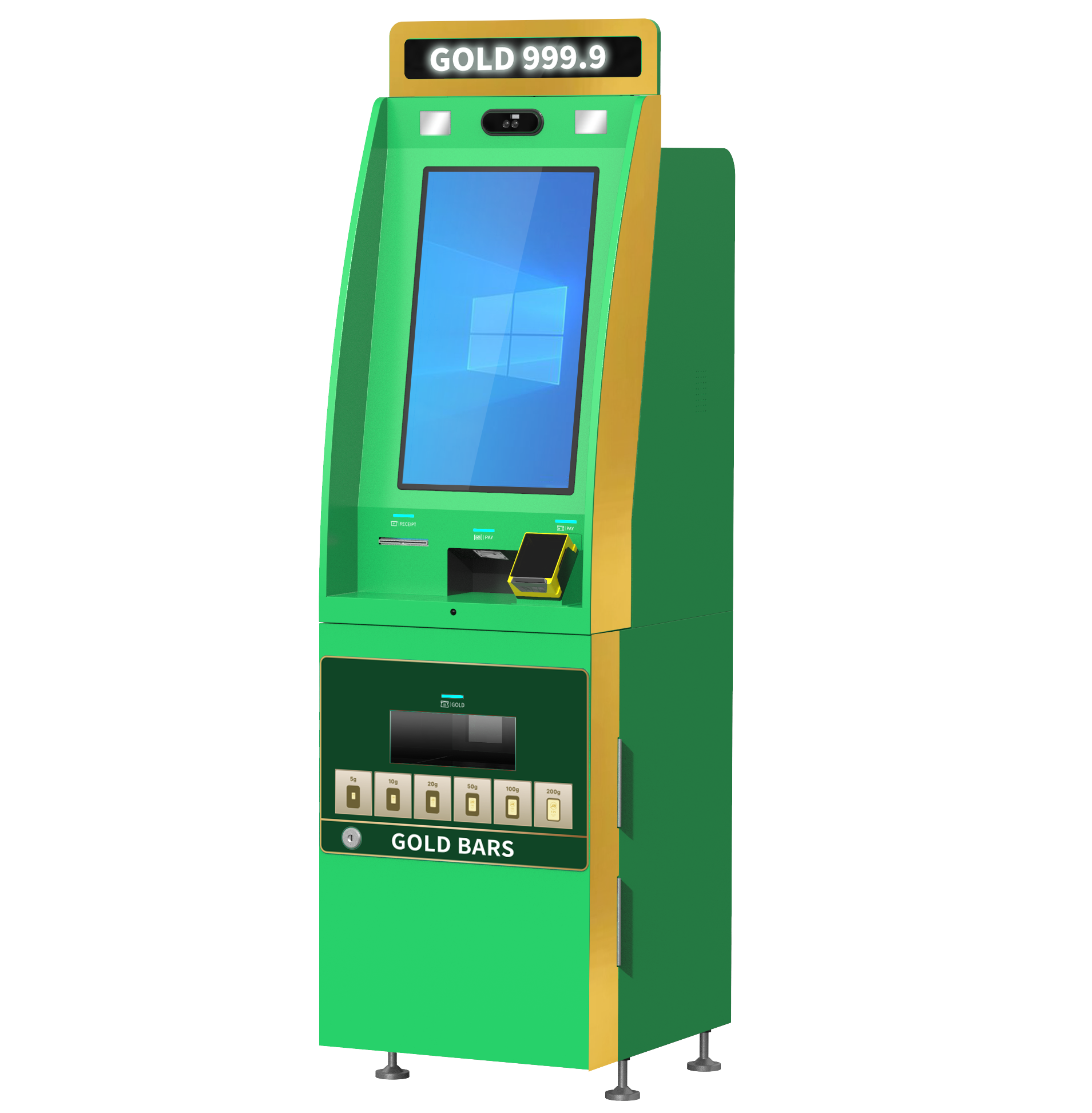
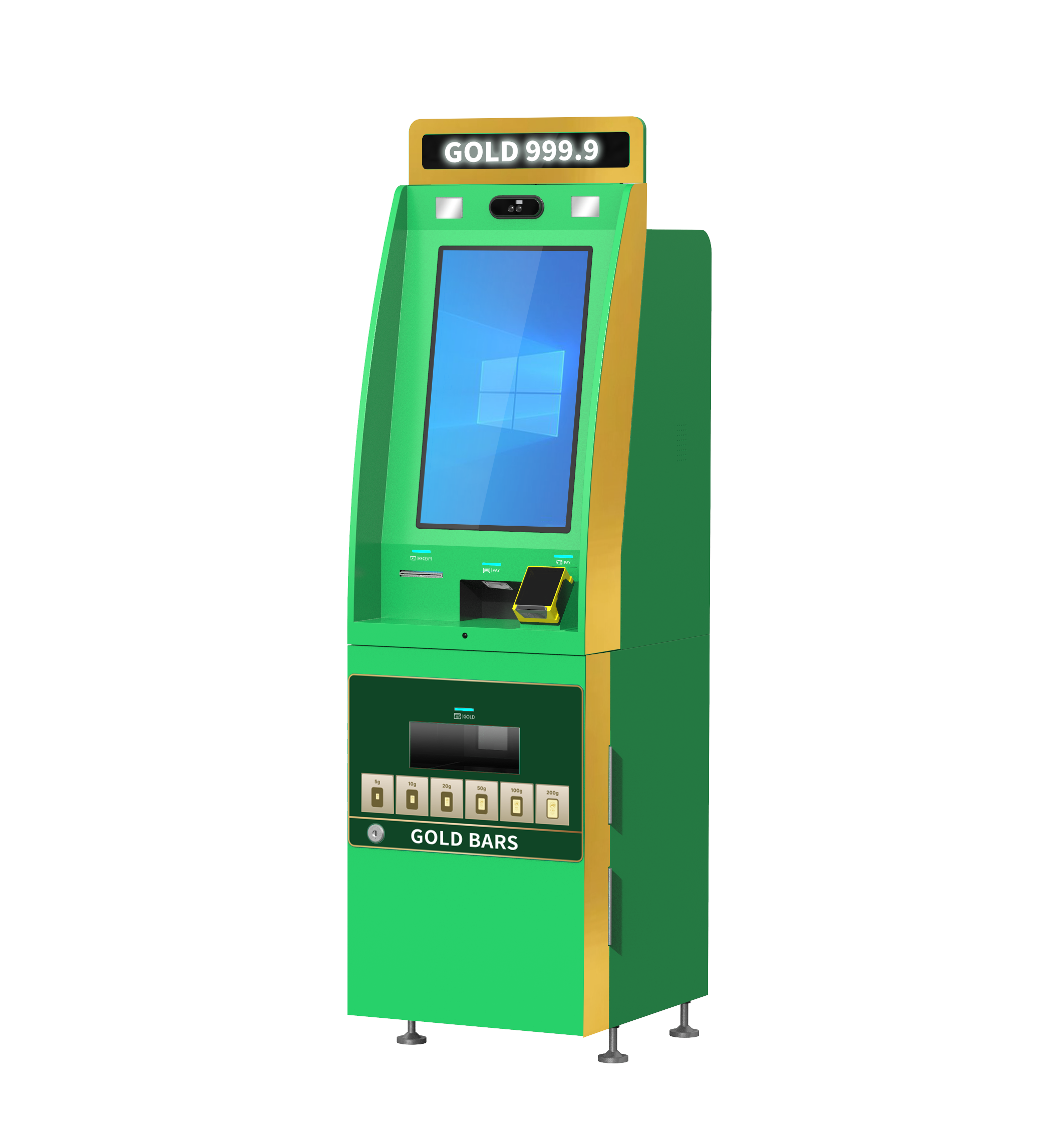
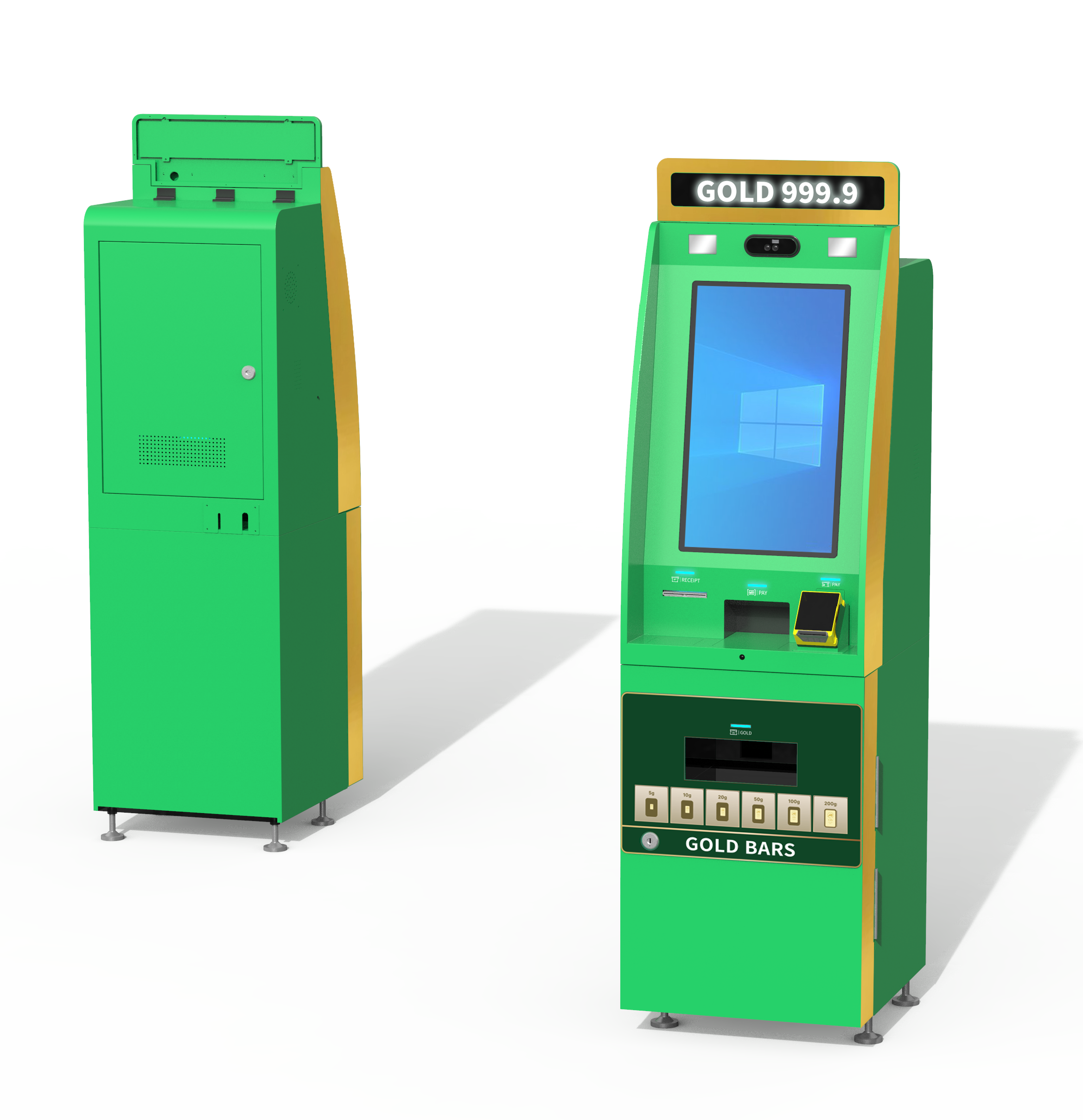
A gold vending machine is an automated self-service kiosk that sells genuine precious metal products (gold bars, coins, etc.) to consumers. The buyer selects a product, pays via cash/card/digital wallet, and the machine dispenses the sealed, certified gold item. As a machine owner, you earn revenue from the premium added to the spot gold price.
2. How much does a gold vending machine cost?
The price varies based on model, capacity, and features. Typical ranges:
Standalone unit: $83,00 – $10,000
Costs usually include the hardware, pre-installed software, and initial setup. Shipping, customs, and local installation are quoted separately.
3. What are the ongoing fees?
There is no recurring license fee in most models, but you should budget for:
Payment processing fees (card/cash handling)
Connectivity (4G/5G or wired internet)
Maintenance and spare parts (annual service contract optional)
4. How do I make money as a machine owner?
Your profit comes from the retail premium – the difference between the international spot price and the final selling price. Typical premiums range from 5% to 15% depending on product size and location. Some operators also earn via:
Currency exchange spreads (if machine accepts multiple currencies)
Advertising on the screen
Transaction fees from partner placements (e.g., hotels, airports)
5. Where can I place the machine? What are the site requirements?High-traffic, secure locations work best:
Luxury hotels, shopping malls, airports, bank lobbies, casinos
Site requirements:
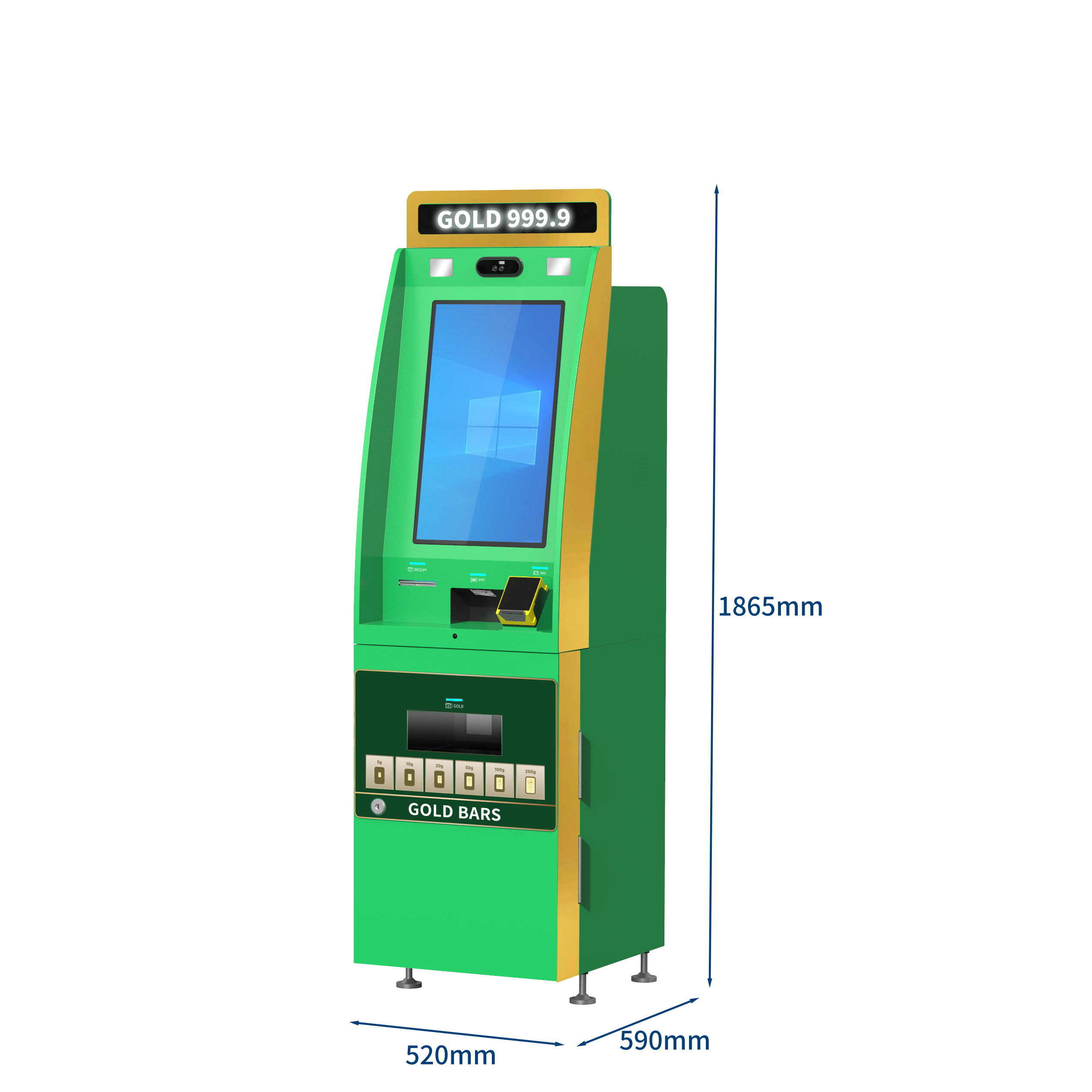
Space: approx. 0.6m² (width ~0.52 m, depth ~0.59 cm)
Power: standard wall outlet (110–240V, continuous supply)
Connectivity: Ethernet or stable 4G/5G signal
Security: Ideally within coverage or attended premises
6. How is the machine maintained and serviced?
Machines are built for low maintenance. The manufacturer provides:
Remote monitoring (real-time status, stock, errors)
A spare parts kit
Optional on‑site service contract or technician training
Most issues (e.g., card reader reboot, paper jam) can be resolved remotely or by the owner via step-by-step guidance.
7. What payment methods does the machine support?
Standard configurations include:
Cash (banknote acceptor with validation)
Credit/debit cards (Visa, Mastercard, Amex)
Contactless (Apple Pay, Google Pay)
Some models support crypto or bank transfer integrations. Payment gateway integration is pre‑configured; transaction fees vary by region.
8. What is the warranty and after‑sales support?
Hardware warranty: typically 12 months (extendable)
Software updates: free for the first 2–3 years
Support: dedicated hotline and remote diagnostics; replacement parts shipped within 24–48 hours for critical components
9. Can I manage multiple machines remotely?
Yes. The machine comes with a central management dashboard where you can:
Monitor real‑time inventory and cash levels
Adjust pricing dynamically
View sales reports and transaction logs
Receive alerts for errors or low stock
All from a web or mobile interface.
10. What is the average return on investment (ROI)?
ROI depends heavily on location, foot traffic, and premium margin. Based on operator data in high‑traffic locations:
Average payback period: 6–12 months
Operators in airports or luxury hotels often see faster payback. A detailed pro-forma can be provided based on your target location.
11. How do I purchase a machine and get started?Contact the sales team with your intended country/region.
Choose a machine model based on location type and capacity.
Sign a purchase agreement, deposit is typical.
Production/delivery (4–8 weeks depending on customizations).
Installation, training, and go-live support.